How Freeze-Thaw Weather Affects Exterior Siding
Living in Western Pennsylvania means bracing yourself for winter weather that rarely makes up its mind. One day you are dealing with heavy, wet snow, and the next, a sudden warm front melts it all away, only for temperatures to plummet again by nightfall. While this constant shift is just a normal part of life in Pittsburgh, it puts incredible stress on your home's exterior.
Your home's exterior cladding is your first line of defense against the elements. However, when moisture from rain, snow, or ice finds its way into tiny imperfections in your exterior, the drop in temperature causes that trapped water to freeze and expand. Over time, these freeze-thaw cycles can wreak havoc on older materials, compromising both the energy efficiency and structural integrity of your house.
Understanding how this cycle works, knowing the signs of hidden moisture damage, and choosing the right weather-resistant materials are essential steps for any homeowner. Whether you are building a new addition or wondering if it is time to upgrade your current siding, taking preventative action now can save you from costly structural repairs down the road.
The Science of Freeze-Thaw Damage
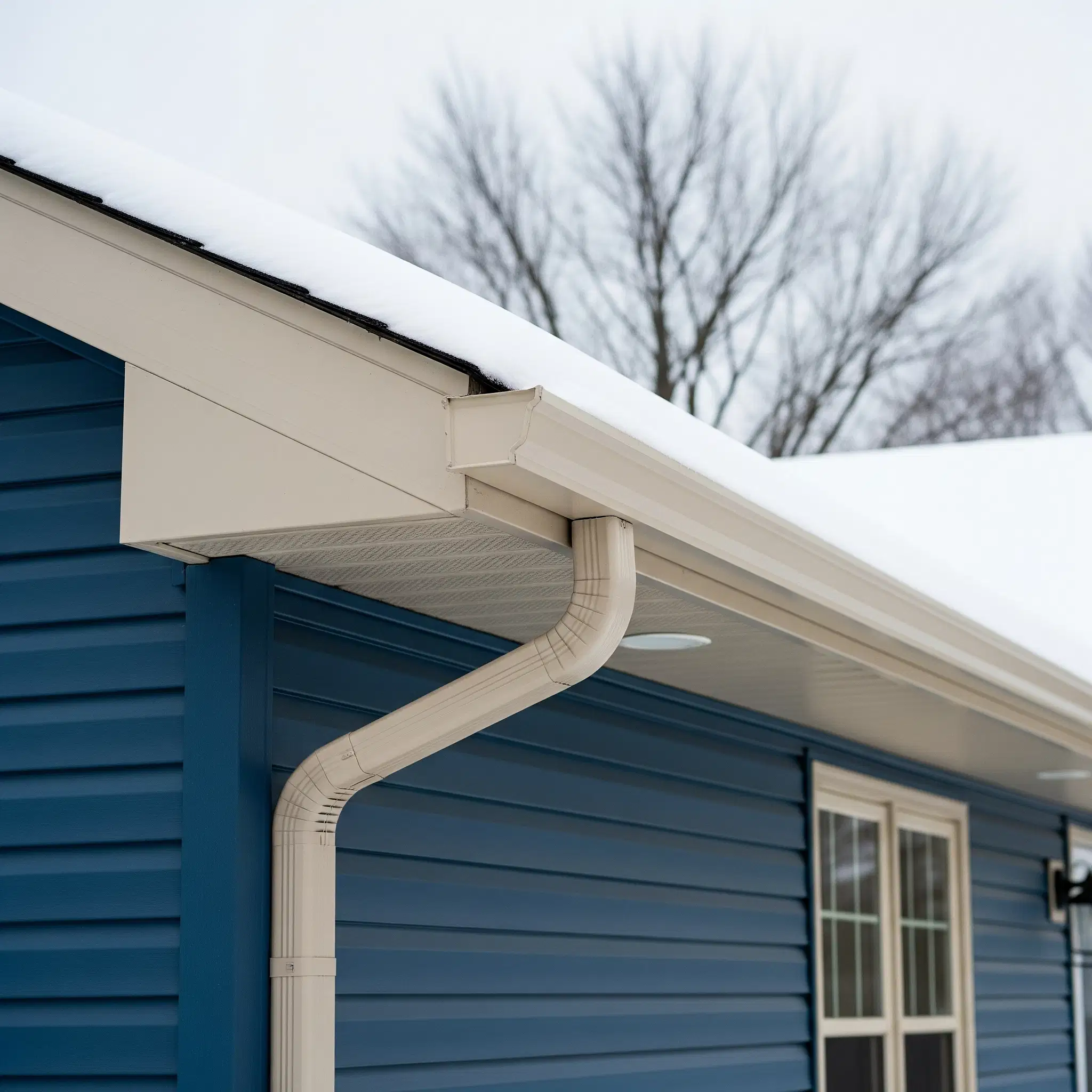
To understand why winter is so tough on your home, we have to look at the simple physics of water. When water freezes, it expands by about nine percent. If that water is sitting on the surface of your home, it usually isn't a problem. But if moisture has seeped into small cracks, gaps in caulking, or porous materials, that nine percent expansion acts like a microscopic wedge.
As temperatures rise during the day, the ice melts, leaving behind a slightly wider crack. The next time it rains or snows, more water fills that newly expanded space. When the temperature drops and things get slippy outside again, the water freezes, expanding the crack even further. Repeating this process dozens of times over a single winter can turn a microscopic hairline fracture into a significant gap.
Preventing freeze thaw damage to exterior siding starts with maintaining a completely watertight envelope. When the barrier is compromised, the repeated expansion and contraction will eventually cause older materials to buckle, crack, or pull away from the structural framing of your home, creating an opening for more severe water infiltration.
Spotting the Signs of Moisture Damage Behind Siding
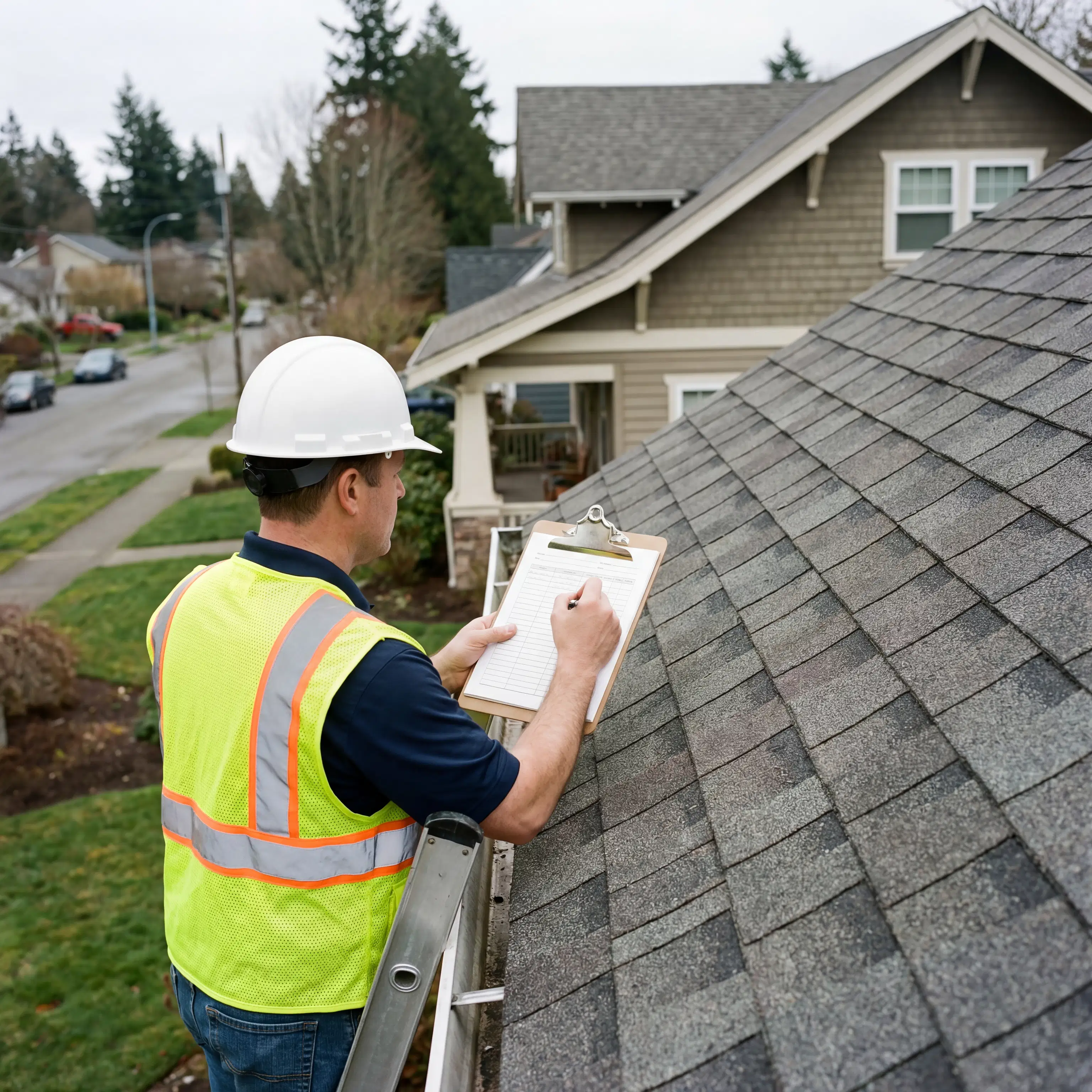
One of the biggest pain points for homeowners is that freeze-thaw damage isn't always immediately obvious from the curb. The most severe issues often happen beneath the surface, where trapped moisture begins rotting the wood sheathing or breeding mold in your insulation.
If you want to catch these issues early, look for these common signs of moisture damage behind siding:
- Warping and Buckling: If your exterior panels no longer lie flat against the house and appear to ripple, moisture has likely penetrated the boards, causing them to swell and distort.
- Peeling Paint Indoors: Moisture that gets trapped inside your wall cavity will eventually try to escape. Often, it pushes inward, causing the paint or wallpaper on your interior walls to bubble and peel.
- Soft Spots and Spongy Wood: If you press gently on your exterior panels and they feel soft or give way, the material has severely degraded due to water absorption and rot.
- Mold and Mildew Growth: While surface algae can often be washed away, persistent mold growing at the seams of your exterior panels usually indicates trapped moisture underneath.
- Increased Heating Bills: When water damages your home's insulation, its thermal resistance drops. If your heating system is working overtime, drafts and moisture penetration could be to blame.
Fiber Cement vs Vinyl Moisture Resistance
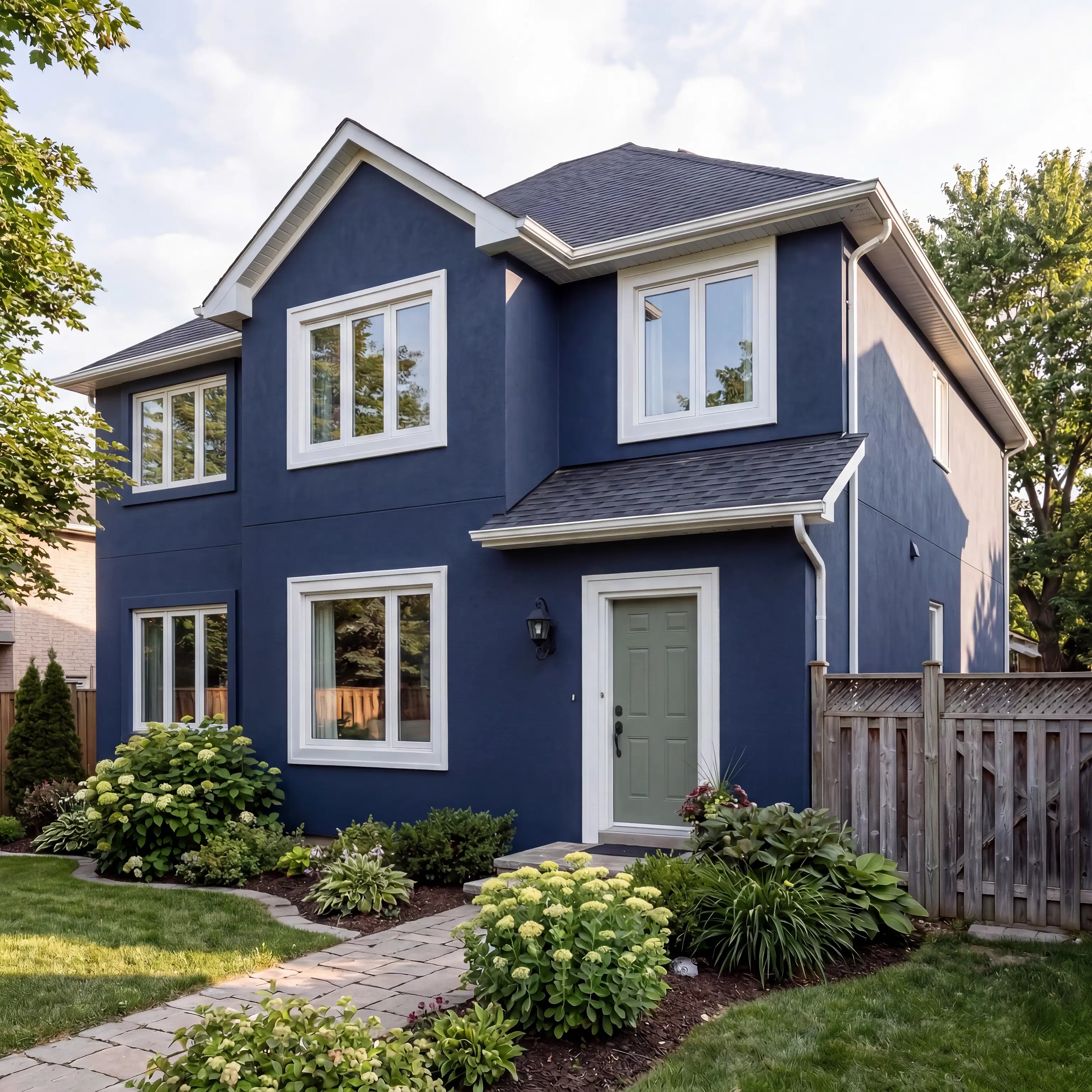
When it comes time for an exterior upgrade, selecting a material that can withstand our local freeze-thaw cycles is crucial. The two most popular and effective choices on the market today are vinyl and fiber cement.
Modern vinyl siding is engineered to be incredibly resilient. Because vinyl is fundamentally a type of plastic, it is entirely impervious to water. It doesn't absorb moisture, which means it won't rot, and the freeze-thaw cycle cannot cause the material itself to expand and crack from the inside. High-quality vinyl is also designed to flex with temperature changes, allowing it to easily handle the extreme cold without becoming brittle, making it a fantastic, budget-friendly option for weatherproofing your home.
On the other hand, cement board siding offers a premium, heavy-duty alternative. Made from a blend of cement, sand, and cellulose fibers, this material is thick, dense, and virtually impenetrable. When comparing fiber cement vs vinyl moisture resistance, fiber cement stands out for its absolute dimensional stability. It does not expand or contract significantly with temperature swings. Baked-on finishes and specialized weather barriers installed beneath the boards ensure that zero moisture reaches your home's framing. While it requires a more substantial upfront investment, fiber cement provides decades of unflinching protection against the harshest winter storms, which is why it is often recommended for homes exposed to high winds and heavy snow loads.
Protecting Your Home This Winter
You don't have to wait until your exterior is failing to take action. Proper maintenance goes a long way in defending your home.
Make sure your gutters are completely clear of leaves and debris before the deep freeze sets in. Clogged gutters lead to water overflowing directly down your exterior walls, or worse, forming massive ice dams that force water up under your roofing and behind your exterior panels. You should also take time to inspect the caulking around your windows and doors, as these seals can dry out and shrink over time, leaving perfect entry points for freezing water.
Whether you live on the steep inclines of the South Side Slopes or out in the suburbs, your home deserves protection that lasts through every unpredictable winter storm.
Ready to Winter-Proof Your Home?
If you're noticing signs of wear, warping, or moisture damage on your home's exterior, don't wait for the next freeze-thaw cycle to make things worse. Upgrading your exterior is an investment in your home's longevity, efficiency, and curb appeal.
At 412 Home Solutions LLC, we know exactly what it takes to protect homes across the Mon Valley and beyond. Yinz deserve an exterior that can handle the worst weather the season throws at it, and a contractor who respects your property. When you work with us, you get transparent pricing, flexible financing options to fit your budget, and a crew that will completely red up your yard before we leave.
Ready to explore your options? Contact us today to schedule a thorough inspection and get a detailed, no-pressure estimate for your home.