
Navigating Permits and Guidelines for Historic Roofs
Owning a historic home in Pittsburgh is a unique privilege. From the charming Victorian builds to the sturdy, century-old foursquares that line our neighborhoods, these houses tell the story of our region's rich architectural heritage. However, maintaining that history comes with a specific set of responsibilities, especially when it is time to update your home's exterior.
Replacing a roof on an older property isn't quite as simple as picking out a color and scheduling a date. Historic homes often feature complex rooflines, steep pitches, and original materials that require specialized care. Furthermore, local municipalities have strict guidelines in place to preserve the character of these neighborhoods. If you are planning a restoration or replacement, understanding the regulatory landscape is just as important as choosing the right materials.
Whether you are dealing with an unexpected leak or simply upgrading an aging system, navigating the red tape can feel overwhelming. Let's break down what you need to know about historic district guidelines, the permitting process, and how to ensure your home remains protected and compliant.
Understanding Historic District Guidelines
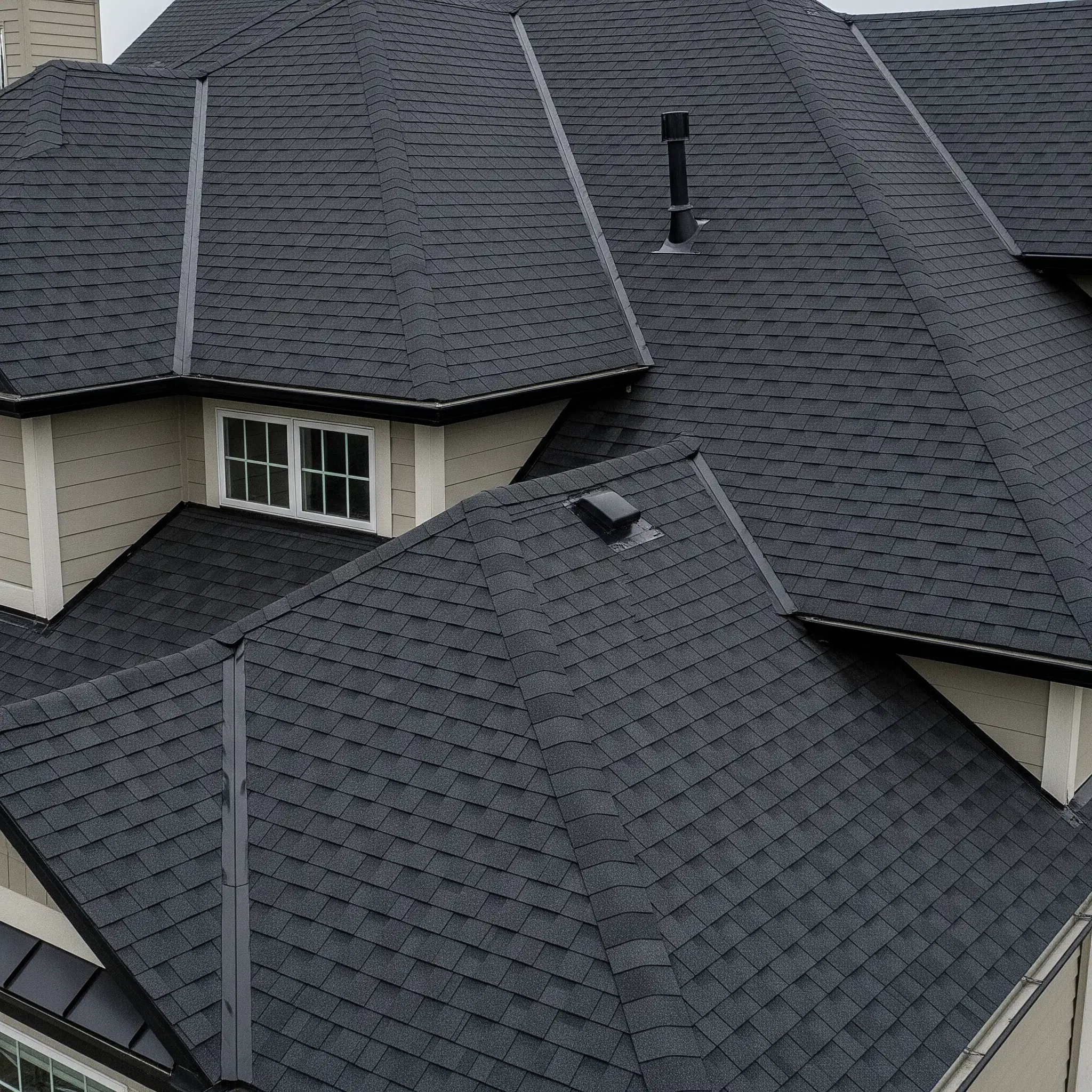
One of the most significant trends in local real estate and property management is the stricter enforcement of historic district guidelines. If your home is located within a designated historic district, any exterior modifications—including roof replacements—must typically be reviewed and approved by a local historic review commission.
The goal of these commissions is to ensure that any new work is visually compatible with the original architecture. This often means you cannot simply swap out an old slate or tile roof for standard three-tab shingles without permission. The guidelines usually dictate the types of materials, colors, and even the installation methods that are permissible.
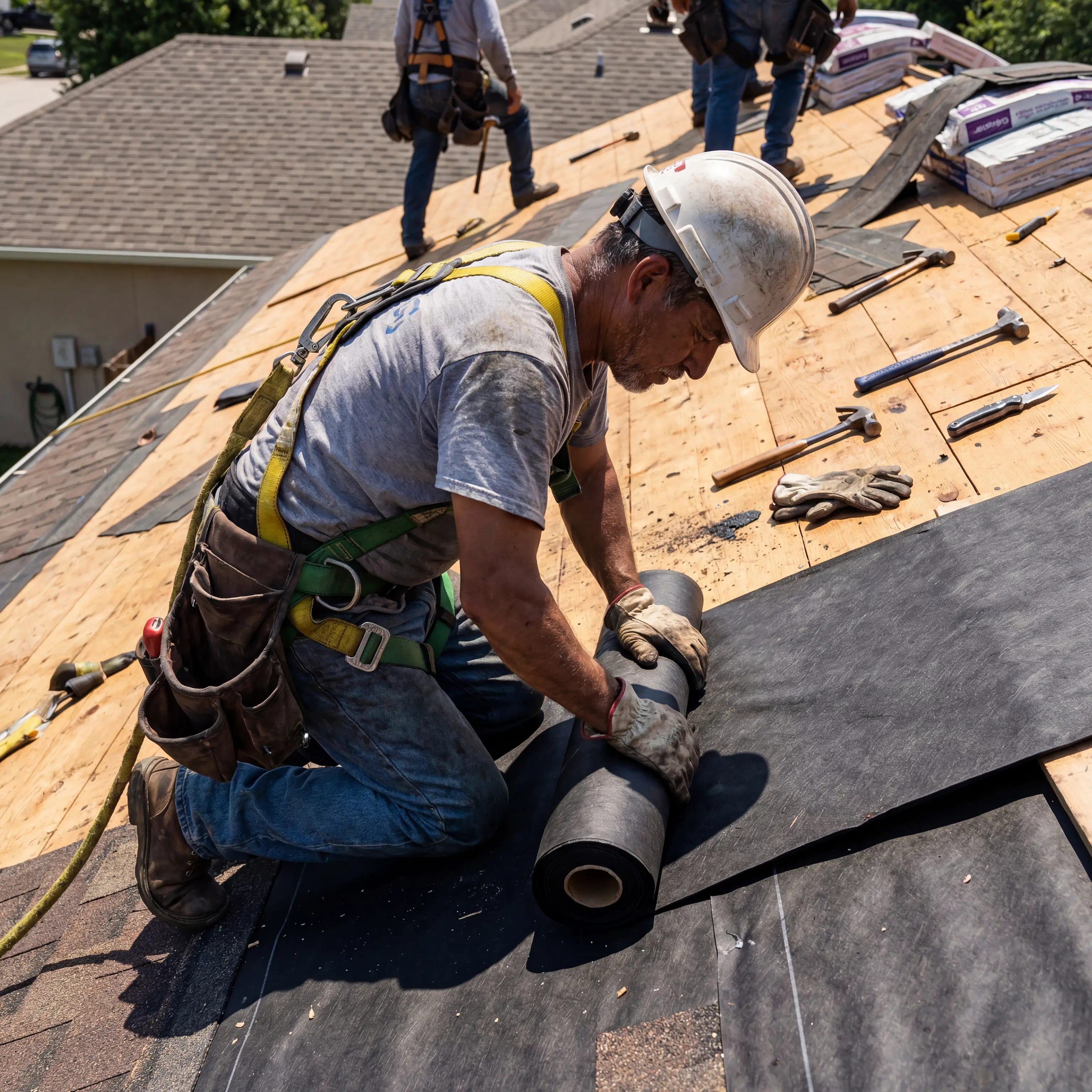
Beyond the materials, the physical logistics of working on older homes present their own challenges. Transporting heavy materials and setting up safety equipment on narrow streets or the notoriously steep inclines of the South Side Slopes requires a contractor with specific operational expertise. When planning a residential roof replacement, it is crucial to work with a team that understands both the aesthetic requirements of your historic district and the logistical realities of working on complex, high-angle rooflines.
The Permitting Process: Do You Need One?
A question we hear frequently from homeowners is whether a building permit is actually required for a roof replacement, and if so, whose responsibility it is to obtain it. The short answer is: yes, in almost all cases, you will need a permit.
Navigating local municipal permitting processes can be a headache, especially considering there are over 130 distinct municipalities in Allegheny County, each with its own specific building codes and application procedures. Attempting to figure out the paperwork on your own can lead to costly delays or even fines if the work begins without proper authorization.
This is where hiring a reputable, locally registered contractor becomes invaluable. A professional company will handle the entire permitting process on your behalf. They know exactly which forms to file, what documentation the local inspectors need to see, and how to ensure the project adheres to all current building codes. When you are investing in high-quality asphalt roofing, you want the peace of mind that comes from knowing every legal and regulatory box has been checked before the first old shingle is removed.
Choosing the Right Materials for the Climate
While satisfying historic guidelines is a priority, your new roof also has a very practical job to do: protecting your home from the elements. Our region is known for its demanding weather, particularly the severe freeze-thaw cycles that occur throughout the winter. When snow melts and refreezes at the eaves, it can create ice dams that force water back under the roofing materials, leading to significant interior damage.
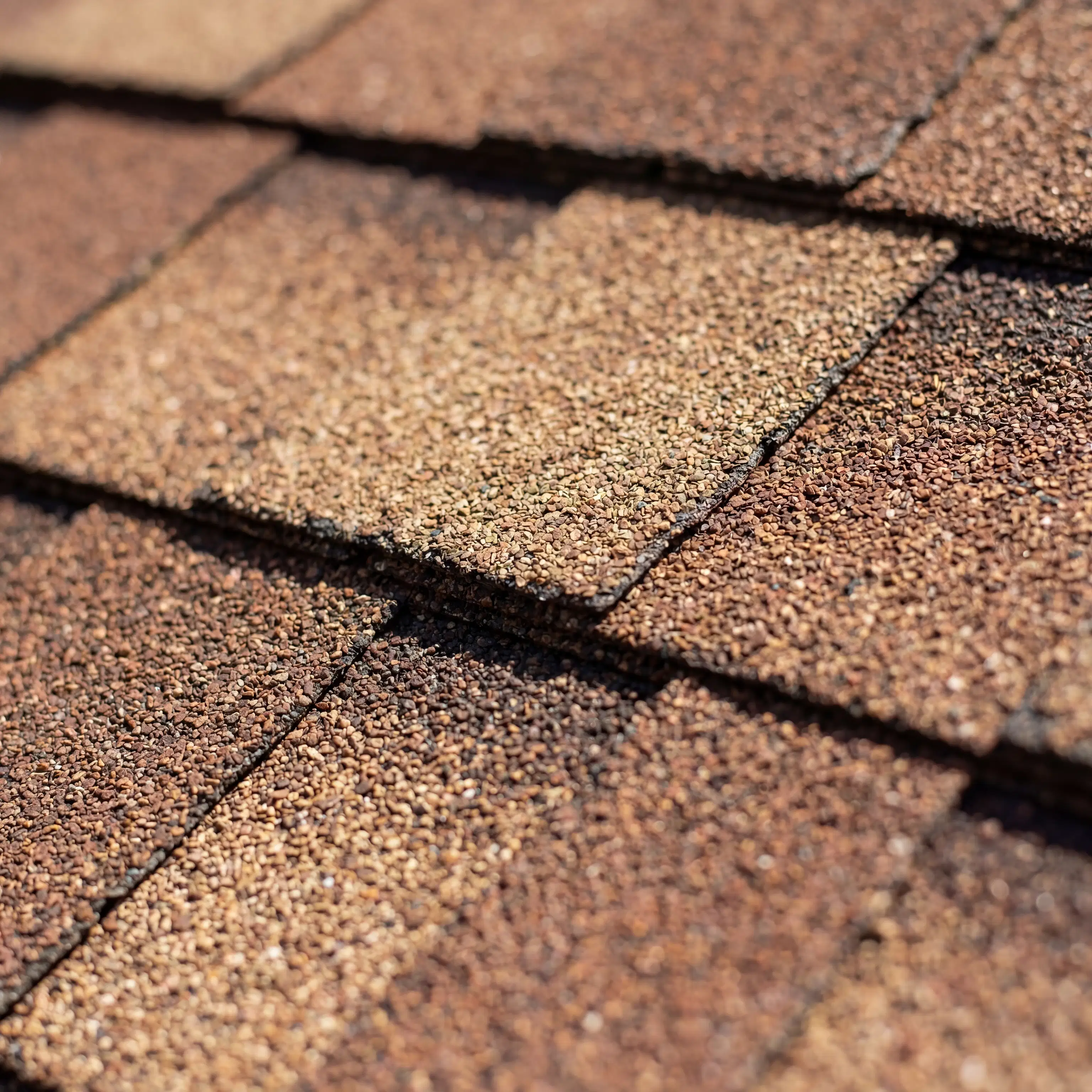
When selecting materials approved by your historic review board, you must also consider durability. Modern architectural shingles are often approved for historic homes because they can mimic the dimensional look of classic materials like slate or wood shake, while offering superior resistance to wind and moisture. They are designed to keep your home dry even when the weather gets incredibly slippy and unpredictable.
Additionally, if you are updating your roof, it is often a good time to evaluate the rest of your home's exterior. For historic homes, cement board siding is an excellent option. It provides the classic, textured appearance of real wood clapboard—which satisfies many historic preservation requirements—but offers modern protection against rot, pests, and fire.
Partnering with the Right Local Experts
Updating a historic home is a delicate balance of preserving the past and preparing for the future. It requires a deep understanding of local regulations, a commitment to safety, and a respect for the property itself. You need a team that not only installs a beautiful, weather-resistant roof but also takes the time to protect your landscaping and thoroughly red up the yard before they leave, ensuring no stray nails or debris are left behind.
Yinz deserve a home exterior that honors its history while providing modern comfort and security. If you are ready to navigate the process of upgrading your historic property, we are here to help every step of the way, from pulling the permits to the final inspection.
Reach out to 412 Home Solutions LLC today through our contact us page to schedule a comprehensive evaluation and receive a transparent, detailed estimate for your next project.